






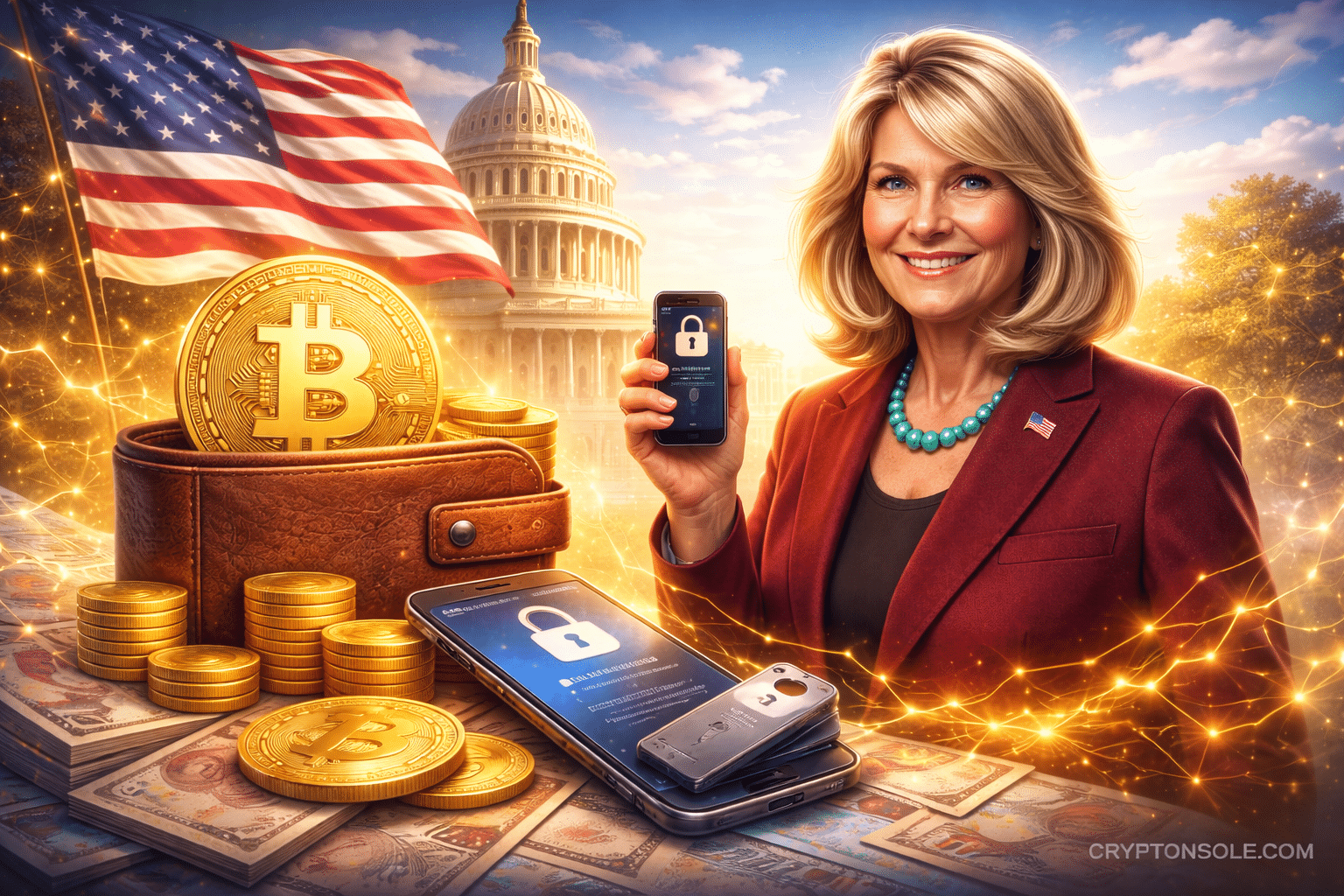
U.S. Senator Cynthia Lummis (R-Wyoming) — one of Congress’s most prominent advocates for Bitcoin — recently shared that she first encountered Bitcoin while looking for ways to self-custody her own assets, becoming a vocal proponent of individual control over digital wealth. In a discussion on crypto policy and personal finance, Lummis emphasized the importance of self-custody and financial sovereignty, saying she supports individuals storing wealth in ways they choose.
Lummis’s Path to Bitcoin and Self-Custody
Senator Lummis, representing Wyoming in the U.S. Senate, has long been involved in digital asset policy and advocacy. Her interest in Bitcoin stems not just from legislative goals but from a personal journey toward self-custody and financial independence.
In recent remarks, Lummis highlighted that she found Bitcoin while searching for options to store her own wealth securely with full control — a perspective that resonates with many crypto proponents who argue that decentralization empowers individuals by eliminating reliance on intermediaries. Self-custody refers to holding private keys personally, giving the owner exclusive command over their assets without needing a third-party custodian.
“I’m a big proponent of self custody of individual wallets, of sovereignty that I have to store my wealth the way I choose,” Lummis said, underscoring her belief that individuals should have the freedom to manage their money outside traditional financial gatekeepers — a core tenet of the Bitcoin ethos.
Why Self-Custody Matters to Lummis and Crypto Advocates
Financial Sovereignty and Control
Self-custody means the owner retains control of their private keys — essentially the cryptographic authorization required to move Bitcoin or other digital assets. Advocates argue this model protects wealth from counterparty risk, intermediary insolvency, or third-party seizure. A decentralized, permissionless system lets individuals manage their assets without having to trust banks or custodians. This idea aligns with Bitcoin’s foundational principles of decentralization and financial sovereignty.
Policy Implications
Lummis’s emphasis on self-custody fits within her broader legislative agenda. She has been actively involved in crafting digital asset policy in Congress, including sponsoring bipartisan crypto legislation aimed at clarifying market structure and taxation issues. Her pro-Bitcoin stance also includes pushing for frameworks that protect individuals’ rights to manage and store digital property securely while ensuring regulatory clarity.
Broader Context: Education and Advocacy
Senator Lummis — often referred to by cryptocurrency supporters as “Congress’s crypto champion” — has made it a point to educate colleagues about Bitcoin’s potential, stressing its finite supply, decentralized nature and function as a potential store of value. She has personally owned Bitcoin since 2013, and her policy focus has emphasized regulatory clarity that protects innovation while acknowledging consumer and market risks.
Her embrace of self-custody underscores a philosophical alignment with many in the Bitcoin community who see control over private keys as not just a security measure, but fundamentally tied to financial independence.
What to Watch Next
- Self-Custody in Legislation: Whether future digital asset legislation will enshrine protections for self-custodial wallets and limit unnecessary barriers to personal key ownership.
- Public Education: Continued bipartisan efforts in Congress to educate lawmakers about the technical and economic implications of decentralized finance and self-custody.
- Adoption and Innovation: How Lummis’s advocacy influences broader crypto adoption, especially among retirees, investors and individuals seeking alternatives to traditional financial channels.
Bottom Line: Senator Cynthia Lummis’s support for Bitcoin and self-custody reflects both her personal experience and broader policy vision centered on individual financial sovereignty. By highlighting the freedom to manage assets independently, she echoes key themes within the crypto community while pushing for thoughtful regulatory frameworks that account for personal choice and secure digital wealth storage.
5HNRA8W5