





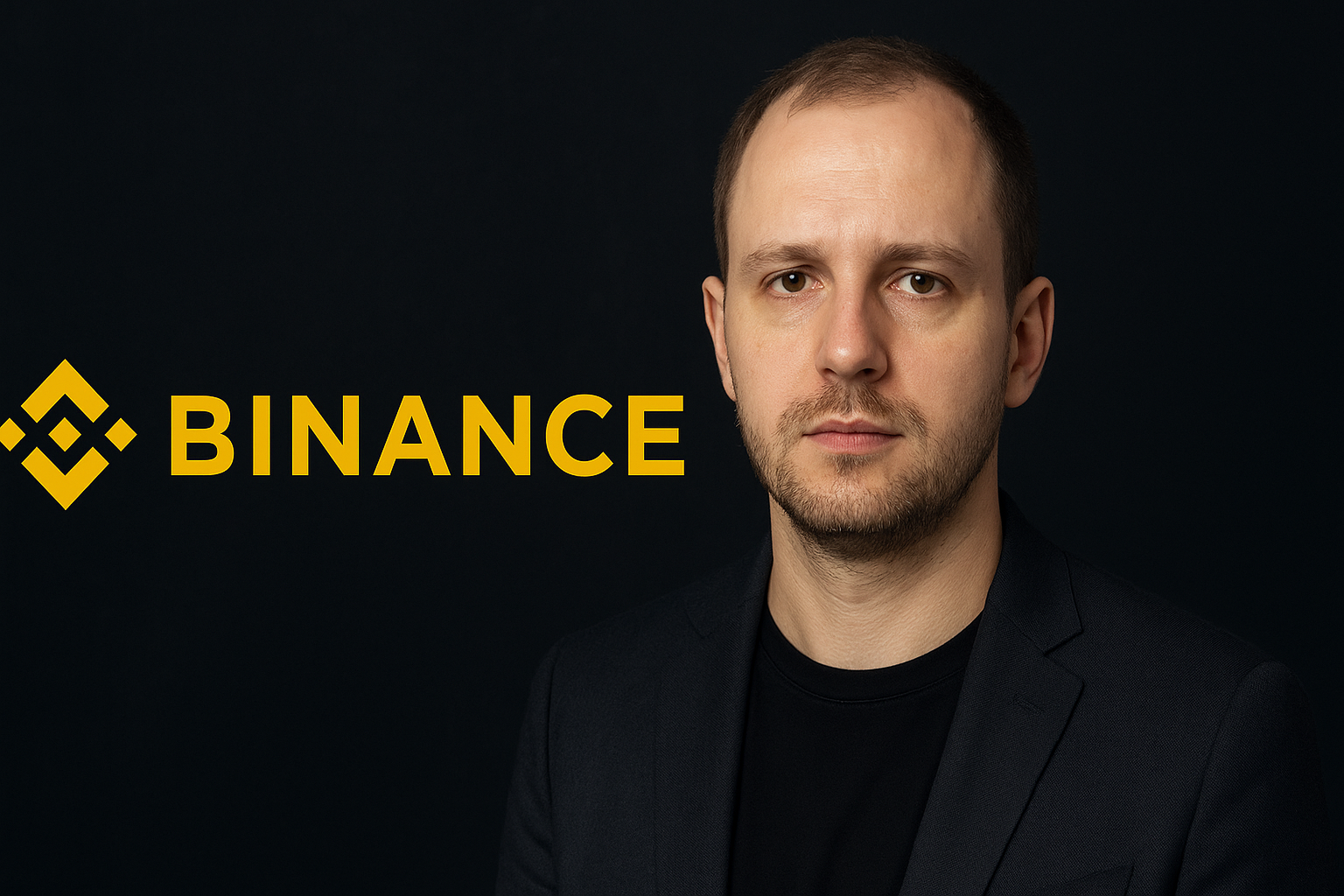
Wintermute’s CEO has publicly refuted circulating media reports that the firm intends to sue Binance for its alleged role in a market-flash crash on October 10, which wiped out over US $20 billion in leveraged positions. The denial came via a company statement stressing there are no current legal proceedings planned against Binance and attributing the crash to broader market dynamics.
What happened
- On Oct. 10, a sharp decline in crypto-asset markets triggered a cascade of liquidations — estimated at over US $20 billion in leveraged positions. Some parties pointed to Binance’s order-book depth, foot-print and liquidity-hole as possible contributing factors.
- In the days following, several crypto news outlets and social-media posts wrongly attributed to Wintermute a plan to file a lawsuit against Binance, alleging negligence in market control or market-making operations.
- Wintermute CEO Evgeny Kushevich (as identified in press) issued a clarification: “Contrary to circulating articles, Wintermute has not initiated legal action against Binance. We believe a legal dispute is not appropriate at this time.”
- The statement emphasised that the October crash was a collective market event, involving derivatives, spot venues, on-chain liquidity and global macro shocks — not the fault of a single exchange.
Why the denial matters
- Liability and precedent in crypto markets: If a major liquidity-provider or algorithmic trader sued an exchange for a crash event, it could set a precedent for how margin-calls, order-books and exchange-risk are treated in crypto. Wintermute’s denial halts that precedent from immediately emerging.
- Reputation and counter-party risk: Wintermute is a major market-maker in the crypto ecosystem. A lawsuit would shift its role from liquidity-provider to litigant in a high-profile dispute — potentially changing partner-counter-party dynamics with exchanges.
- Market-structure implications: The flash-crash event exposed structural vulnerabilities (liquidity gaps, concentrated risk, cross-venue exposure). A lawsuit might focus on exchange fault lines; Wintermute appears choosing instead to publicly attribute the incident to systemic issues.
- Regulatory optics: Exchanges like Binance face regulatory and reputational pressure. If major players were to bring lawsuits alleging exchange fault, regulators may increase scrutiny of exchange risk controls, market-maker behaviour and systemic resilience.
Risks & considerations
- Rumour still unresolved: While Wintermute denies immediate plans to sue, it does not rule out potential legal action in future. The incident may still trigger arbitration or internal claims.
- Depth of investigation unknown: Details of the crash — which venues were at fault, how much exposure Wintermute had, whether exchange-liquidity failure occurred — remain less transparent. A future case could emerge with more data.
- Contractual and indemnity issues: As a market-maker Wintermute may be exposed under traded derivatives agreements or exchange contracts; how those contracts handle counter-party default, exchange risk or liquidity events could be relevant.
- Impact on exchange-maker relationships: Even without a lawsuit, the public tension may affect how Wintermute and similar firms engage with exchanges; contract terms, settlement risk, credit lines or exclusivity may be revisited.
What to watch next
- Official disclosures: Whether Wintermute publishes a post-mortem, audit or exposure summary concerning the October crash, including how much loss it incurred, which venues were involved and any bilateral claims outstanding.
- Counter-party or class-actions: If other market-makers or leveraged traders decide to bring regulatory complaints or civil remedies against exchanges, Wintermute’s posture may influence them.
- Regulatory reactions: Regulators in the U.S., UK or Singapore may respond to the crash by investigating exchange-liquidity practices, broker-dealer risk, or margin-call cascade oversight.
- Exchange announcements: Whether Binance or other platforms update their liquidity-risk disclosures, circuit-breaker mechanisms, margin-call protocols or listing policies in response to the event.
- Industry commentary: Market-structure analysts and trading firms will be studying the crash data, order-book snapshots and on-chain flows — their assessments may influence litigation risk perceptions and infrastructure reform.
Bottom line
Wintermute’s public denial of any immediate lawsuit against Binance over the October 10 market crash stops speculation in its tracks — but it also underscores how high-stakes and intertwined crypto liquidity-provider, exchange and derivative ecosystems have become. While no legal battle is currently underway, the incident remains a marker of systemic risk, counter-party exposure and the evolving frontier of crypto-market structure.
7QY6OCFE